Post
Paper Diary vs Digital Diary: Which One Is Better for Modern Life?-2026
Jun
Paper Diary vs Digital Diary: Which One Is Better for Modern Life?
Keeping a diary has remained one of the most meaningful personal habits for centuries. Whether people want to preserve memories, organize their thoughts, or reduce stress, writing regularly offers countless benefits.
Today, however, there are two main ways to keep a diary. Some people enjoy writing by hand in a traditional notebook, while others prefer using digital journals on smartphones, tablets, or computers.
Both options have unique advantages and disadvantages. Understanding the differences between paper diaries and digital diaries can help you choose the method that best fits your lifestyle, goals, and personal preferences.
The Evolution of Diary Writing

Diary writing has changed significantly over the years.
For hundreds of years, handwritten journals were the only way to record personal experiences. Beautiful notebooks filled with handwritten pages became treasured possessions that people kept for decades.
With the development of computers and mobile technology, digital diary applications introduced a new and convenient way to journal.
Today, both traditional and digital diaries continue to attract millions of users around the world.
What Is a Paper Diary?
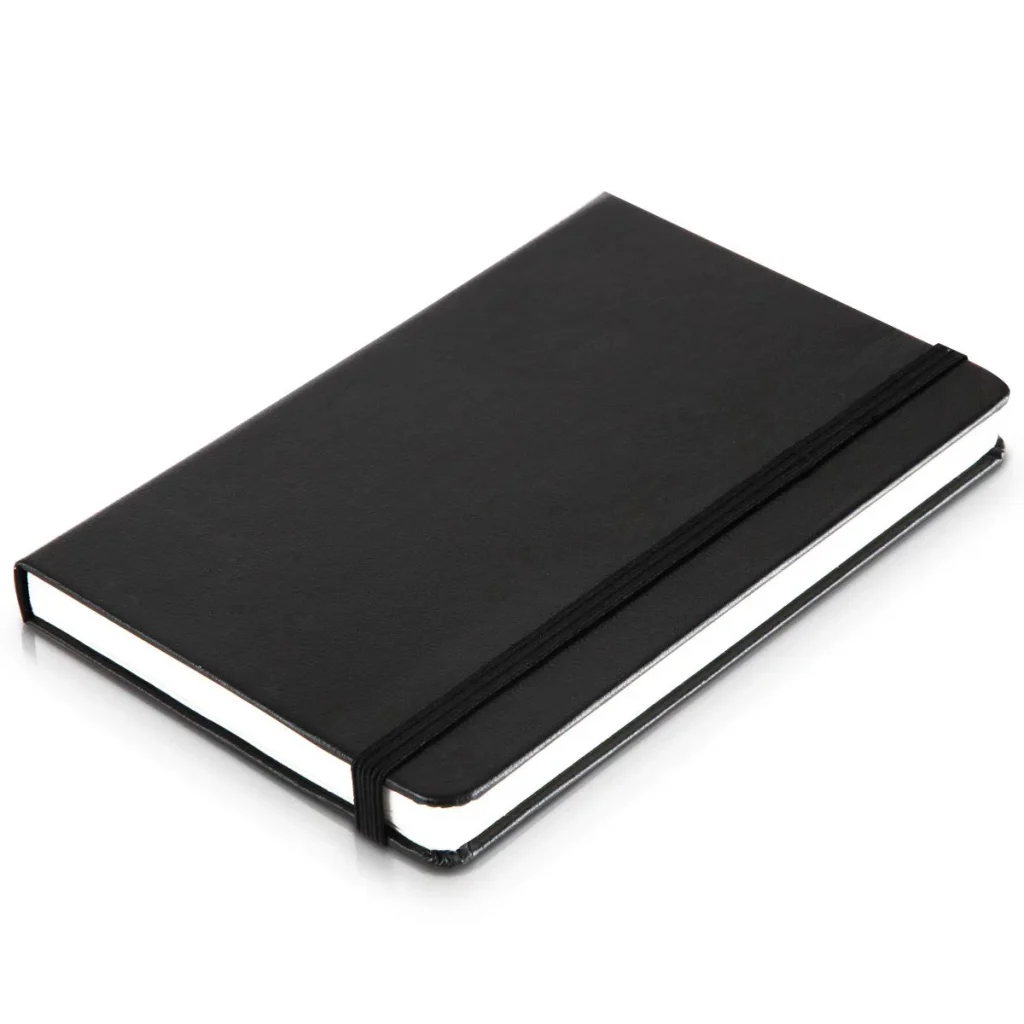
A paper diary is a physical notebook used to record thoughts, feelings, memories, and daily events.
People write using pens or pencils, creating unique handwritten entries that cannot be duplicated exactly.
Paper diaries come in countless sizes, colors, and designs, allowing users to choose one that matches their personality.
Many people enjoy decorating their diaries with stickers, photographs, drawings, and handwritten notes.
What Is a Digital Diary?
A digital diary is an electronic journal stored on a smartphone, tablet, laptop, or desktop computer.
Instead of handwriting, users type their entries using a keyboard or touchscreen.
Many digital journaling apps also allow users to add photos, videos, voice recordings, and location information.
Some applications automatically synchronize entries across multiple devices, making them accessible almost anywhere.
The Writing Experience
The experience of writing differs greatly between paper and digital diaries.
Writing by hand is generally slower, encouraging deeper thinking and more careful reflection.
Typing is much faster, allowing users to record long thoughts quickly without worrying about handwriting.
Some people feel a stronger emotional connection when writing with a pen, while others appreciate the speed and convenience of typing.
Choosing between these experiences depends largely on personal preference.
Creativity and Personal Expression
Paper diaries provide unlimited opportunities for creativity.
Writers can sketch, paint, attach photographs, or create colorful page layouts without technological limitations.
Each page becomes a personal work of art that reflects individual style.
Digital diaries also support creativity through multimedia features, including images, audio recordings, and videos.
Both formats encourage creative expression in different ways.
Convenience and Portability
Digital diaries are extremely convenient for people with busy lifestyles.
Since smartphones are usually carried everywhere, journal entries can be written at any time.
Ideas can be recorded immediately before they are forgotten.
Paper diaries are also portable, especially smaller notebooks, but they require carrying an additional item.
For travelers and busy professionals, digital journals often provide greater convenience.
Privacy and Security
Privacy is one of the most important considerations when choosing a diary.
Paper diaries can be hidden in secure locations, but anyone who finds them may read the contents.
Digital journals often include passwords, fingerprint recognition, or encryption to protect personal information.
However, electronic devices may also be vulnerable to hacking or technical problems.
Both formats require thoughtful security measures.
Organizing Journal Entries
Finding old entries is much easier in digital journals.
Users can search by keyword, date, or category within seconds.
Many applications also organize entries automatically.
Paper diaries require manually turning pages to locate previous writings.
Although this process takes longer, some people enjoy rediscovering forgotten memories while browsing old pages.
Each approach offers its own unique experience.
Long-Term Preservation
Many people hope to keep their diaries for decades.
A well-maintained paper diary can last for generations if stored properly.
Some handwritten journals survive for hundreds of years.
Digital diaries avoid physical wear but depend on technology.
Software updates, hardware failures, or file corruption may create challenges over long periods.
Regular backups help preserve digital memories safely.
Cost Considerations
The cost of journaling varies depending on the chosen format.
Paper diaries require notebooks, pens, and other writing supplies.
Premium journals may be relatively expensive, especially those made with high-quality materials.
Digital diary applications range from free to subscription-based services.
Since many people already own smartphones or computers, digital journaling may reduce additional costs.
Budget should always be considered before making a choice.
Environmental Impact
Environmental concerns influence many purchasing decisions today.
Paper diaries consume natural resources during production.
However, many manufacturers now use recycled paper and sustainable materials.
Digital diaries eliminate paper usage but rely on electronic devices that require electricity and eventually become electronic waste.
Both options affect the environment in different ways.
Making responsible choices helps reduce environmental impact.
Emotional Connection
Many diary writers describe paper journals as deeply personal.
Handwriting captures personality in ways that typed text cannot.
Ink color, writing pressure, and even small imperfections create emotional value.
Digital journals provide convenience but may feel less intimate for some individuals.
Others appreciate being able to include voice recordings and photographs alongside written entries.
Emotional connection depends entirely on individual preferences.
Accessibility and Backup
One major advantage of digital diaries is automatic backup.
Cloud storage protects journal entries from accidental loss.
If a phone or computer is replaced, entries can often be restored quickly.
Paper diaries cannot be backed up unless they are scanned or photographed.
Fire, water damage, or loss may permanently destroy handwritten memories.
Protecting either format requires careful planning.
Which Option Is Better for Students?
Students often benefit from both paper and digital diaries.
Paper journals encourage concentration because they eliminate online distractions.
Writing by hand may also improve memory retention and learning.
Digital journals simplify scheduling, organizing assignments, and accessing notes across devices.
The ideal choice depends on study habits and personal preferences.
Some students successfully combine both formats.
Which Option Is Better for Professionals?
Professionals frequently choose digital diaries because of their efficiency.
Typing is faster during busy workdays.
Digital calendars, reminders, and task management tools integrate easily with journal entries.
However, many professionals still prefer handwritten reflection after work because it encourages relaxation and mindfulness.
Combining technology with traditional writing often creates the best balance.
Can You Use Both?
Many experienced journal writers choose not to limit themselves to a single format.
They may use digital journals for quick notes, travel records, and work-related planning.
Meanwhile, paper diaries remain reserved for emotional reflection, gratitude, or personal memories.
Using both methods allows individuals to enjoy the strengths of each format.
This flexible approach has become increasingly popular in recent years.
Tips for Choosing the Right Format
There is no universally correct answer when choosing between paper and digital diaries.
Think about your daily routine, writing habits, and long-term goals.
If you enjoy handwriting and creativity, a traditional diary may be the better choice.
If convenience, speed, and organization are your priorities, digital journaling may suit you better.
The most important factor is choosing a method that encourages consistent writing.
Conclusion
Both paper diaries and digital diaries offer valuable ways to preserve memories, organize thoughts, and encourage personal growth.
Paper journals provide a unique emotional experience through handwriting, while digital diaries offer unmatched convenience and powerful organizational features.
Rather than asking which format is universally better, consider which one best supports your own lifestyle and writing habits.
Whichever option you choose, the true value of a diary lies not in its format but in the meaningful moments, honest reflections, and lifelong memories it helps you preserve.
